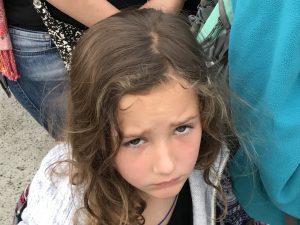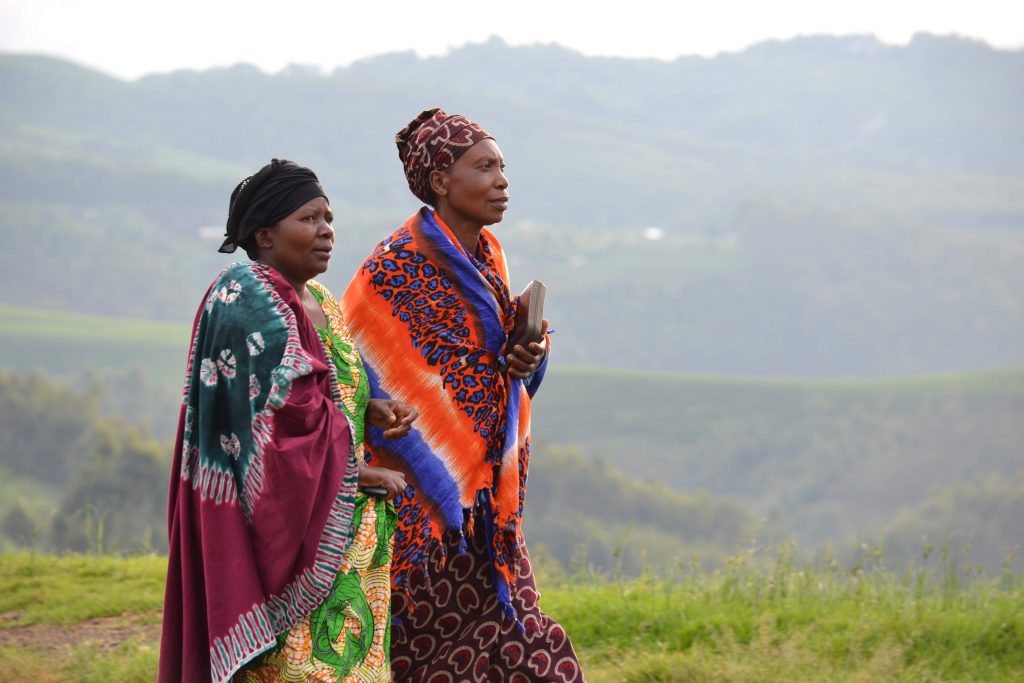
We hold certain cultural norms inviolate, assuming that the entire of humanity must believe as we do. The taboo against staring is one of these. I first ran across this cultural difference decades ago in India. A long hard stare at something or someone is not considered impolite or aggressive. In fact, staring at something that strikes your interest sounds pretty reasonable on the surface. But when you’re the object of that gaze, and you’ve grown up in our western society, these hard looks can make one twitchy.

Rwanda is turning out to be one such culture. Here the hard stare is coupled with another phenomenon, smile rationing. History has taught Rwandans to be wary. Smiles are not handed out willy-nilly to all-comers who happen to catch your eye on the street. The people of Rwanda do smile, but those smiles must be earned. Stella sharing polaroids with her subjects, my stumbling attempts to speak Kinyarwanda, Jen bargaining for an avocado, these have earned us happy faces and smiles.

So our first weeks, as we nervously learned to negotiate Kigali, was a time of hard stares and uncomfortable walks through the city. But now we’ve learned the secret. With just a word or two, Muraho, Amakuru, the stares dissolve and the faces open up, curious, friendly, proud. It’s then that we see the true faces of Rwanda.

 Around 5000 feet, the topography of western Rwanda reminds me a lot of Appalachia. However, being situated on the equator the curvature of these hills are clothed in a very different flora. In place of the mixed temperate forests of NC or VA, these mountains play host to a more tropical variety. Immediately outside of the capital, the land is parceled in an endless quiltwork of gardens, and small subsistence farms. Broad leaved-banana trees surround homes and run up to plots of corn, peas, sweet potato, melons, cassava. There are stands of bamboo, avocado trees, passion fruit vines. The valley floors are all sectioned into rectangled rice paddies. If any naked earth shows it is the red dirt of my childhood in GA. Shades of green and red are the dominant palate of these hills.

 At 5000 Rwandan Francs (RWF) for a cross-town ride, taxis occupy the top spot in the food chain of transport. No real difference from those at home, assuming your stateside taxi has mirrors held on by zip ties and worn springs that bottom the car out on every bump. Jen normally takes the front seat because of her superior French, however, most of the drivers only speak Kinyarwanda, so the ride often devolves into frustrated pointing at a phone map.
  option. For 1000 RWF (helmet included) you can hop on the back of one of these motorcycle taxis and zip across town, weaving in and out of traffic, in an affront to local traffic laws and every nuanced clause of your travel insurance policy. Arriving at your destination vibrating from adrenaline and itching from the community helmet are just part of the experience.
 one can look serious riding shotgun on the back of a bike, legs held out to the sides in a tin-man pose. It’s like trying to look mad while sipping out of a straw.
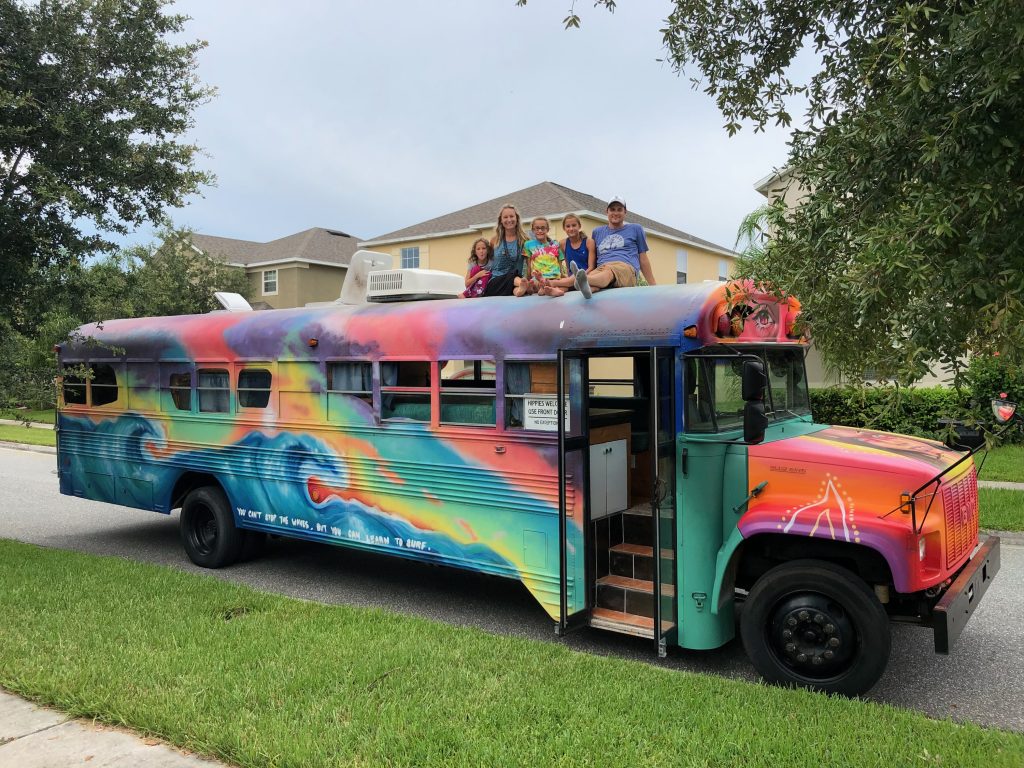
 The better part of a weekend was spent with them, learning their story, and the story of the bus. Stella and their daughter Piper played Barbies. The big kids all went to a chalk-art contest together. In between bus questions, we discussed everything from homeschooling strategies to instapot recipes. We really got to know this sweet family, so it was with a slight sense of guilt that I drove off with their house Sunday afternoon, leaving them with all of their belongings, in a pile, at their empty campsite.